
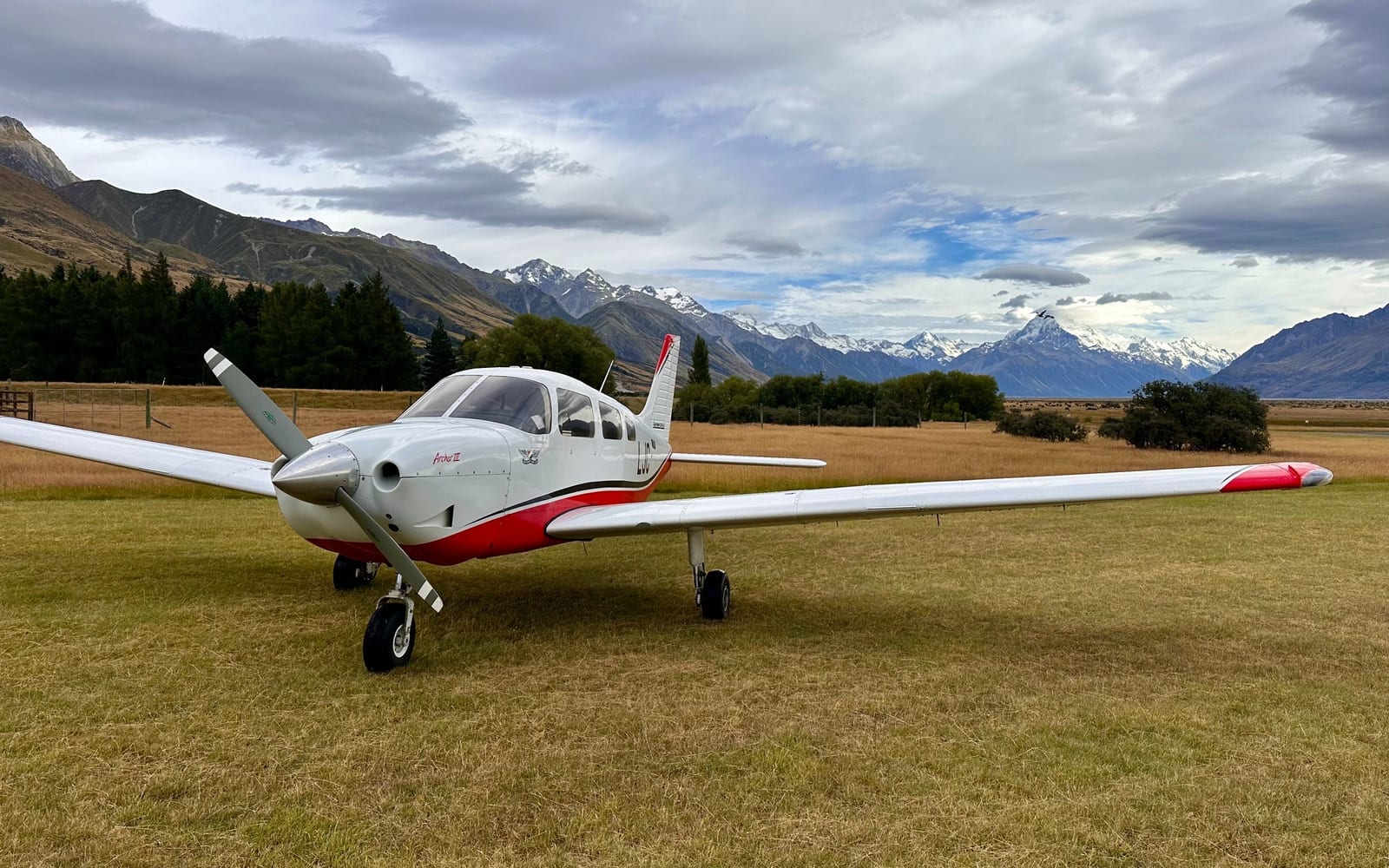
Less than two years ago, I was in almost exactly this position.
I had a place to start flight training, I knew I was about to spend a lot of money learning to fly, and I was trying to work out what I should buy, what I should study and what I was supposed to know before turning up on day one.
Looking back now as a CPL holder and C Category flight instructor, there are a few things I would have liked someone to tell me.
The main one is simple: you do not need to turn up already knowing how to be a pilot.
But there are some practical things worth sorting early, a few purchases that genuinely make training easier, and a few places where it is very easy to spend more money than you need to.
Sort the important things first
Before buying anything, make sure the important administrative pieces are underway.
Your flight school should give you a list of what it needs before the course begins. Depending on your programme, that might include enrolment documents, identification, student funding, visa requirements and medical information.
The aviation medical is particularly important if you intend to fly professionally.
If your goal is a CPL and eventually an airline or commercial flying career, you want to know early that you can meet the medical requirements. Do not wait until you have already invested months and thousands of dollars in training before dealing with something that could affect your ability to hold the licence you are working towards.
If anything about the medical worries you, deal with it early rather than hoping it will sort itself out later.
Get the equipment list — but don’t automatically buy everything from the school
Most full-time flight schools will give you a list of equipment you need.
That might include things like charts, a flight computer, a kneeboard, navigation equipment, books and other bits of pilot kit. The school may also offer to sell you some or all of it.
That is convenient, but it does not necessarily mean it is the cheapest option.
Ask for the equipment list early, and if the school sells the items itself, ask for the prices too. It is worth spending a few minutes comparing them online before buying. I found that some of the equipment I needed was noticeably cheaper from other suppliers, while other items were worth buying through the school for convenience. A quick comparison can save you some money without making the process complicated.
The same applies to things like kneeboards and flight computers. You do not need an elaborate premium version just because you are starting professional flight training. Buy what the course actually requires.
Spend properly on your headset
This is one area where I would not try to save too aggressively.
You are going to spend a lot of time wearing your headset, often while trying to understand a new manoeuvre, listen to your instructor, follow the radio and fly the aircraft at the same time.
For GA flying, I would treat active noise cancellation as essential.
A light-aircraft cockpit is loud. Reducing that constant background noise makes it much easier to hear what is happening and concentrate on the lesson, and it makes several hours of flying considerably less tiring.
Comfort is the other big one. A headset that starts hurting after 45 minutes is not a bargain if you are wearing it repeatedly through a full-time course.
That does not mean you need to buy the newest or most expensive headset available.
I bought a pair of Bose A20s second-hand and they have been perfect. They are comfortable, the active noise cancellation is excellent and I have never felt any need to replace them just because a newer model exists.
Bluetooth is useful, particularly if you ever need to connect a phone in flight, but I would put it well behind comfort and active noise cancellation when deciding where to spend your money.
A good used headset can make much more sense than a brand-new top-of-the-range one.
If you’re buying an iPad, get one with GPS
This is probably the easiest expensive mistake to avoid.
If you intend to use an iPad as an electronic flight bag in the aircraft, buy a Wi-Fi + Cellular model.
The cellular versions have built-in GPS/GNSS capability. You do not need to put a SIM card in it or pay for a mobile data plan for the GPS to work.
A Wi-Fi-only iPad does not have the same built-in positioning capability. You can work around that with an external GPS receiver, but if you are buying an iPad specifically for aviation, I would simply buy the right model from the start.
Otherwise, when there is no Wi-Fi in the aircraft, your expensive EFB becomes considerably less useful.
Size is mostly personal preference.
I use an iPad Mini and think it is an excellent size for GA flying because it can sit comfortably on my lap without taking over the cockpit. A larger 10 or 11-inch iPad is easier for classroom work, reading and theory study, so I can understand why people prefer those too.
I would be cautious about going much larger unless you already know how you are going to use it in the aircraft. GA cockpits are not particularly spacious.
Before buying one, also check which EFB or aviation apps your school uses.
Don’t buy every pilot gadget you see
Once you start looking at aviation equipment, it is surprisingly easy to convince yourself that you need all of it.
You probably don’t.
Your school will tell you what is genuinely required, and once you start flying you will quickly work out what would actually make your life easier.
That is a much better time to buy things.
A torch might become useful. You may decide you want a different kneeboard. You might find a particular type of bag works better for carrying your headset and iPad. But there is very little benefit in buying a cockpit full of equipment before you know what problem each item is supposed to solve.
Buy the essentials first. Add things when you discover you need them.
Should you start studying before flight school?
Yes — but do not try to teach yourself the whole PPL syllabus before you arrive.
Some aviation theory makes much more sense once you have actually been in the aircraft and have some context for what you are learning.
What is useful is making aviation slightly less unfamiliar.
Learn the phonetic alphabet if you do not already know it. Start getting used to aviation terminology. Listen to how radio calls are structured. Learn a little basic Air Law. Get used to sitting down regularly and doing ten or fifteen minutes of focused study.
The aim is not to arrive at flight school ahead of everyone else.
It is simply to reduce the number of completely new things hitting you at once during those first few weeks.
This is one place Aviate can help
This is actually one of the reasons I built Aviate.
The app is designed around short, regular learning rather than sitting down for hours at a time. Before flight training begins, you can start working through Air Law or Flight Radio and make some of the terminology, rules and radio procedures familiar.
You can start for free.
Once training begins, Aviate becomes useful in a slightly different way. You can do a short Daily Flight, answer a few Practice Round questions or practise some Flight Radio when you have ten minutes spare between everything else going on.
And you are about to discover that very little in aviation is cheap.
Aviate is one of the exceptions.
Aviate Pro costs NZ$11.99 per month — less than the cost of a few minutes in most training aircraft. It opens up the full lesson library and additional practice tools, so if it helps you use the time between those much more expensive flying lessons effectively, it is a pretty small part of the overall cost of learning to fly.
Get ready for the routine, not just the aeroplane
One of the biggest adjustments when you start full-time flight training is simply the pace of it.
You might be flying, studying theory, sitting exams, attending briefings and trying to revise something from yesterday all within the same week. Weather can change the plan. Aircraft can become unavailable. Some lessons will go brilliantly and others will leave you wondering why something that seemed easy yesterday suddenly became difficult.
Getting yourself organised before training starts helps.
Work out how you will keep track of your timetable and deadlines. Get into the habit of doing some study regularly rather than waiting until an exam is approaching. Think about practical things like transport, food and sleep.
None of that is particularly exciting, but it makes learning easier.
You do not need a complicated productivity system. You just want everyday life to create as little unnecessary workload as possible.
You are allowed to arrive as a beginner
This is probably the thing I would most like to tell someone about to start flight school.
You are not expected to arrive already knowing how to be a pilot.
Some students will have done trial flights. Some will have spent years using flight simulators. Some will know every aircraft type on the airfield and listen to ATC recordings for fun.
Others will arrive knowing very little beyond the fact that they want to learn to fly.
That difference can feel enormous during the first few days.
It really isn’t.
The students who appear to know everything at the beginning still have to learn to fly the aircraft. Everyone has strengths and weaknesses, and the course exists because you are there to learn.
What matters much more is whether you prepare for lessons, ask questions when you do not understand something, respond to feedback and keep practising when something does not work the first time.
So before day one, sort the things that genuinely matter.
Get your medical underway. Ask for the equipment list and compare prices before buying everything. Get a comfortable active-noise-cancelling headset. If you are buying an iPad for flying, make sure it has GPS. Start learning a little aviation theory if you want to, and get yourself into a routine that will make regular study easier.
But do not spend the next few months worrying that you need to turn yourself into a pilot before you arrive.
That is what flight school is for.
Aviate is a supplementary learning and revision tool. Always use current approved aviation information and follow the guidance of your flight instructor and training organisation.